The carrying sex position is a standing move where one partner lifts the other into a close, face-to-face hold, with the lifted partner's legs wrapped around their waist. It asks for strength, balance and trust, and rewards you with an upright angle and a closeness that few positions match. Below: how to get up there safely, the angle that makes it work, and easier versions for when your bodies say "not today."
How to Do the Carrying Position: Step by Step
-
Set your base. Stand face to face, close enough to hug. The supporting partner plants their feet about shoulder-width apart with soft knees.
-
Take hold. The lifted partner loops their arms around the supporter's shoulders, not their neck. The supporter slides their hands under the lifted partner's thighs or buttocks for a secure grip.
-
Lift together. On an agreed count, the supporter bends at the knees and hips, keeps their back neutral and rises using leg strength. At the same moment the lifted partner gives a small push off the floor. Don't leap, and don't yank on the supporter's neck.
-
Lock in. The lifted partner wraps their legs around the supporter's waist or hips and stays chest to chest. Weight held close to the supporter's body is far easier to carry than weight leaning away.
-
Find the angle, then move. Check your balance before anything else. Start with small, slow movements: the supporter rocks from the knees and hips, and the lifted partner adjusts with their legs and arms. Walking around or bouncing sharply makes a fall much more likely.
-
Come down early. Say when you're done, then the supporter bends their knees and sets their partner's feet back on the floor. Do this while you both still have full control, before arms shake or the grip starts slipping.
Why the Carrying Position Works
The lifted partner's pelvis sits at the supporter's hip height and tilts slightly forward, so entry is upright and direct, and gravity lets them settle deeper. That angle is adjustable in real time:
-
Leaning back a little opens the angle and increases depth. For some people with a vagina, this may put more pressure on the front wall, where the area often called the G-spot is. For others it simply feels like fuller pressure.
-
Hugging in close makes penetration shallower and adds grinding contact against the front of the body, which many people find better for external stimulation.
Being face to face means you can kiss and whisper and watch each other's reactions the whole time. Pulling off a move that needs real teamwork is part of the fun too.
3 Carrying Position Variations to Try
Each one eases the strain but keeps the angle. Once you've got them down, try some other standing positions.
-
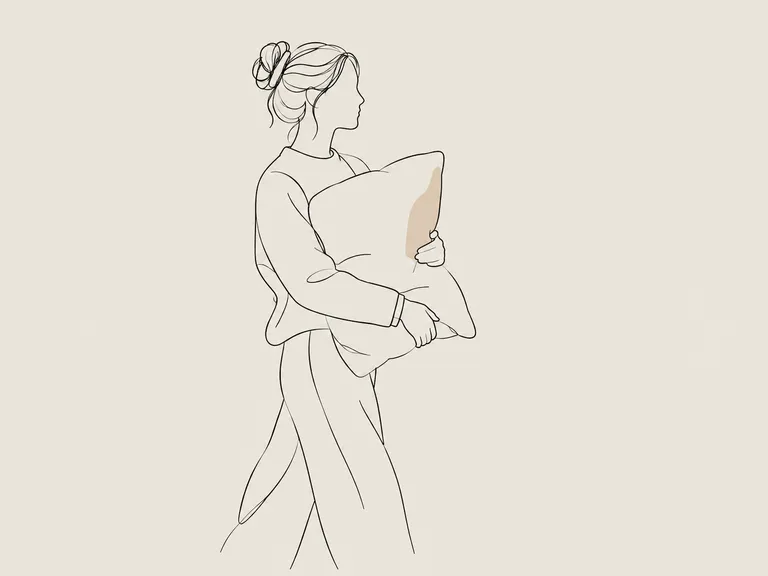
Wall-Supported Carry. A solid wall behind the person being carried shares the load and stops backward sway, so you can hold on longer. A pillow behind the shoulder blades helps.
-
Partial Carry (One Foot Down). One foot stays planted (or on a low, stable step for a big height gap) and only one knee hooks around your partner, so most of the load never leaves the ground.
-
Counter-Edge Carry. Perch on a sturdy counter, table or high bed of matching height while your partner steps in close: almost no strain. Feeling strong? Scoop them off the edge for a few seconds, then set them back. Make sure the furniture can't slide or tip.
Who It Suits (and When to Skip It)
This position suits partners who enjoy a physical challenge, have decent leg and core strength, and are comfortable talking mid-act. It's about roles, not gender: either partner can be the supporter, as long as they could comfortably lift that person's weight in everyday life.
Skip the full carry, or use the wall or counter version, if:
-
Either of you has back, knee, hip or shoulder injuries, chronic pain or a recent surgery.
-
You're pregnant (see the FAQ).
-
Either of you has a condition that affects balance or causes dizziness.
-
Alcohol or other substances are affecting coordination or judgment.
-
A big height difference makes alignment awkward. The counter-edge version usually fixes this.
If none of these versions feel right, the lover's guide to sex positions has plenty of gentler options with the same closeness.
Comfort, Safety and Consent
-
Prepare the floor. Clear away loose rugs and clutter, and go barefoot rather than wearing socks on a slick floor. Keep a bed or sofa within a step or two as a landing spot.
-
Warm up. A minute of squats or hip circles gets the supporter's legs and the lifted partner's hips ready.
-
Watch for compensation. If the supporter starts arching their back to hold the grip, set your partner down and reset rather than pushing on.
-
Use lube and go slow. The upright angle can make penetration deeper than expected, so start slowly.
Talking About It and Consent
Before anyone leaves the ground, agree on a stop phrase such as "lower me" and a non-verbal signal, like two taps on the shoulder, for when hands are busy. Consent is ongoing: either partner can end it at any moment, and the stop signal means coming down right away, no negotiating. That includes the supporter, who should feel free to say "I need to put you down" without anyone treating it as failure. The lifted partner should speak up immediately about pain, dizziness or a slipping grip.
Carrying Position FAQ
Is the Carrying position good for beginners?
Not as a first try at full height. Start with the counter-edge or one-foot-down version to learn the angle and how you communicate in it. Then try a short full lift once you both feel steady. A few seconds held well beats a long, wobbly attempt.
Is the Carrying position safe during pregnancy?
The full lift is best skipped during pregnancy. Pregnancy shifts your center of gravity and loosens the joints, which makes a fall more likely, and a fall is the main risk of this position. Side-lying or seated positions are a safer choice. If you're unsure what's right for you, ask your midwife or doctor.
What if deep penetration hurts in this position?
Stop, come down and switch to a version where the lifted partner has more control. On the counter edge they can use their legs to set the depth, and staying close keeps things shallower. Pain is a signal to change something, not to push through. If it keeps happening in several positions, talk to a healthcare provider.
Is the Carrying position the same as Stand and Deliver?
No: the Carrying position involves a full lift, and Stand and Deliver doesn't. In the stand and deliver position, the receiving partner usually lies on or bends over the edge of a bed or table while the other partner stands. You may also see the Carrying position called Stand and Carry, or Ekiben, a Japanese term for the same lifted, face-to-face hold.